
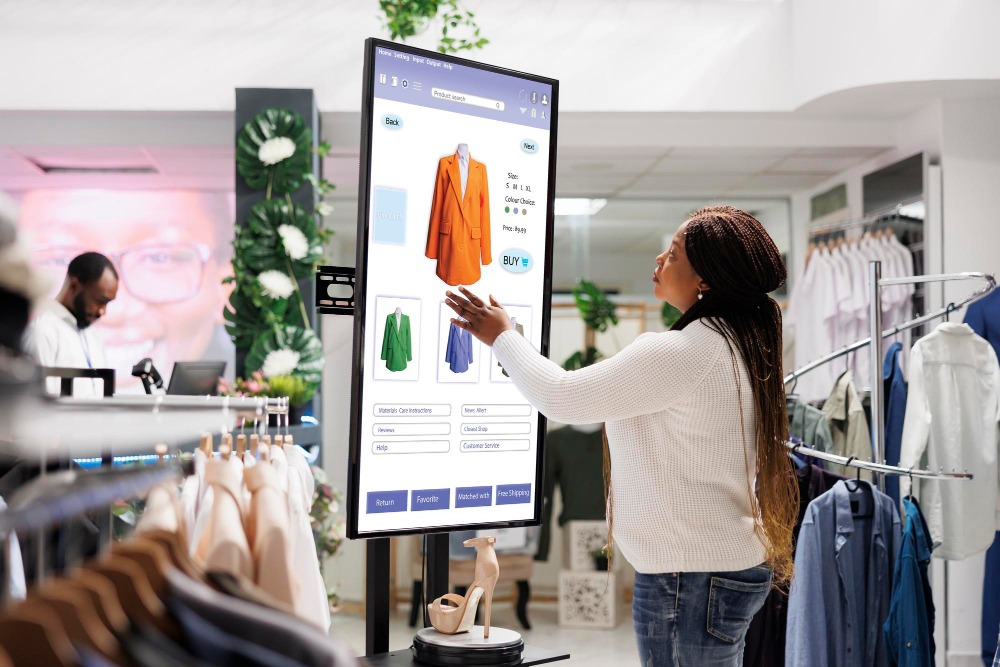
Many small businesses set up their online shop with a spring in their step. They’re drawn in by the promise of a quick and easy setup, the template looks decent enough, and the idea of building their whole shop in one place feels empowering. It’s not hard to imagine sales just pouring in once the shop is live.
But most shoppers don’t even make it past the first few pages. They get bogged down, overwhelmed or lose interest, and they bail without making a purchase. Site owners can’t see the problems because they’re too close to it – they know every nook and cranny of their site. Meanwhile, customers spot the friction right off.
The truth is that platforms give you tools, not some sort of silver bullet that magically turns those tools into a slick, persuasive buying experience. And that’s a gap that most DIY e-commerce projects just can’t seem to bridge.
The Myth of the ‘Easy Setup’ button
Every platform touts itself as super simple to use. They flaunt drag-and-drop builders, nifty templates and pre-built sections that promise a top-notch store in a few hours flat.
Fine, the setup might be a breeze, but the buying experience is a whole different story.
Platforms seriously over-sell simplicity
Once the shop is live, the real challenges start. Many DIY merchants are caught off guard when customers don’t behave as expected. Traffic comes in alright, but rarely converts. People browse around but don’t add anything to their cart. And then there are the would-be buyers who get to checkout but vanish into thin air before completing their order.
Platforms give you all the features you need, but they don’t offer any real guidance. They don’t explain why your category structure is confusing new visitors, or why your homepage is hiding your most important message. And they never remind you to take a hard look at mobile layouts, cut down decision fatigue, or pick the right product images.
Without a clue about UX patterns and buyer psychology, most store owners are winging it. They mess around with colors, rearrange blocks, or add apps that promise higher conversions, yet the results barely change. What looked so simple at first glance soon turns out to be a whole lot more complicated once real shoppers start interacting with the site.
Templates dont do conversion
Templates are designed to make the shop look snazzy, but looks alone don’t guarantee performance. A template can’t possibly predict how your audience shops or what kind of information they need before they feel confident enough to make a purchase.
Some template issues include:
- Hero images that bury key value messages down at the bottom of the page
- Product grids that look generic and fail to highlight the benefits
- Design elements that add visual clutter instead of clarity
- Mobile layouts that shove calls to action out of sight
A template is just a starting point. On its own, it’s rarely enough to support consistent sales.
The Hidden Pitfalls That Cost You Sales
DIY store owners often spend hours tweaking small details, yet the biggest conversion killers usually hide in the core experience. These issues are subtle, but shoppers notice them immediately.
Poor product architecture
Product architecture determines how people find what they want. When it is thoughtful, shoppers glide through the store. When it is unclear, they get stuck and leave.
Common issues include:
- Vague or overlapping categories
- Filters that do not match customer priorities
- Product pages with too little or too much information
- Inconsistent naming across the site
Strong architecture feels invisible because it works. Weak architecture creates frustration that the merchant rarely catches.
Weak mobile UX
Mobile traffic is the majority for most ecommerce stores, yet many DIY builds are designed on desktop screens. Store owners assume the mobile adjustment will happen automatically. It usually does not.
On a phone:
- Buttons shrink
- Text wraps awkwardly
- Images load slowly
- Navigation becomes hard to tap
- Key information drops below the fold
A layout that looks neat on a laptop can turn into a maze on mobile. Shoppers do not fight through it. They simply leave.
Slow or confusing checkout
Checkout is where hesitation peaks. Any friction at this stage can turn a motivated buyer into a lost conversion.
DIY checkouts often suffer from:
- Too many form fields
- Mandatory account creation
- Poor field formatting
- Instructions that feel unclear
- Multi page flows that drag on too long
Shoppers expect checkout to feel smooth, safe, and fast. If the process feels heavy or confusing, they do not complain. They bounce.
Missing trust signals
People buy when they trust the store. Without real reassurance, they naturally hesitate.
Many DIY stores lack:
- Clear return and shipping details
- Visible customer support options
- Authentic reviews
- High quality product photos
- Familiar payment options
Strategy + UX = Real E Commerce Performance

A store becomes high converting when it is built around the customer’s thought process. That requires strategy. Templates and platforms alone cannot provide it.
How to architect buying pathways
A buying pathway is the route a shopper takes from landing on your site to completing checkout. When it is intentional, customers feel guided. When it is not, they wander and lose interest.
A strong pathway includes:
- Clear messaging at the top of each key page
- A navigation structure that matches how shoppers categorize items
- Product pages that highlight benefits before features
- Calls to action placed at natural decision points
- A simple, reassuring checkout flow
Why conversion design matters more than platform features
Many DIY merchants believe that adding more features will increase sales. They install popups, timers, sliders, upsells, and chat widgets. Most of these end up distracting the customer rather than helping them.
Conversion design focuses on reducing noise and highlighting what matters.
It prioritizes:
- Clarity over decoration
- Speed over novelty
- Simplicity over clutter
- Guidance over guessing
Two stores can use the same platform and theme, yet perform entirely differently. The difference is how intentionally each touchpoint has been designed for the shopper.
Platforms provide options. Strategy turns those options into a seamless experience.
How KPH Digital Builds Stores That Actually Sell
DIY builds follow a common pattern. The store is created quickly, then optimized only after problems start showing up. KPH Digital flips this sequence. We begin with performance in mind and build everything around buyer behavior.
A CRO first approach
Before any design work begins, we study the customer journey. We look at what shoppers need to see, when they need to see it, and what might cause hesitation.
This process lets us:
- Remove friction before it appears
- Build navigation that fits how customers think
- Create page structures that guide people naturally
- Focus the design on clarity and confidence
Because conversion thinking is part of the foundation, the final store is smoother, faster, and far easier for customers to understand.
Integrated analytics for ongoing improvements
Launching a great store is only the first step. Real growth comes from continuous learning. When analytics are built in from day one, every decision becomes easier and more informed.
Tracking helps reveal:
- Pages where shoppers hesitate
- Steps that cause drop offs
- Buttons no one notices
- Product pages that attract the most interest
- Areas where UX can improve
Instead of guessing or reacting when sales slow, we help businesses respond to real data and refine their store with purpose.
The Bottom Line: DIY E Commerce Fails Because Tools Are Not Strategy
A modern online store is more than a collection of pages. It is a journey that must feel simple, trustworthy, and aligned with how customers actually shop.
DIY stores often fall short because the owner handles setup but not strategy. The experience may look fine at a glance, but key friction points remain hidden until a buyer encounters them.
When those issues are fixed, conversions can rise surprisingly fast. When the store is built with UX and CRO from the beginning, performance becomes consistent instead of unpredictable.
If your goal is an online store that truly sells, the solution is not a new theme or another plugin. It is a customer-centered strategy that shapes the entire buying experience. That is what KPH Digital builds, and it is why our stores perform better across platforms, industries, and audiences.